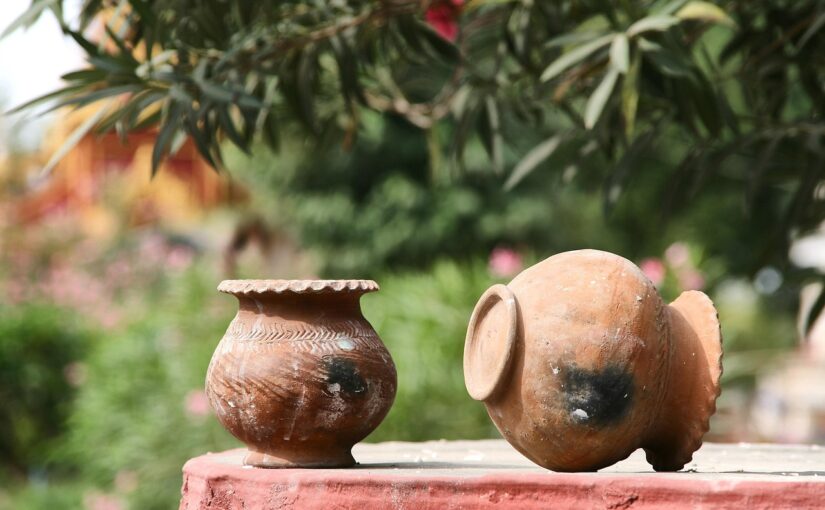
Landscapes exist that one recognizes before ever having seen them, and the Mediterranean stands foremost among these. It announces itself in a color before it announces itself in a place. The traveler descending toward Liguria, or stepping off a ferry at Naxos, or rounding a bend in the Atlas foothills, encounters the same chromatic confession: a russet, a burnt amber, a dusty rose that seems to have been pressed out of the soil by centuries of sunlight. In the cradle of ancient civilizations, where the sun hangs heavy and the earth yields its secrets, color emerges not merely as pigment but as a living pulse. Terracotta and ochre, those warm tones drawn from the soil itself, have long whispered the story of the Mediterranean.
Continue reading The Pigment of Memory: On Terracotta and the Mediterranean SoulTag: History
The Scented Republic: Notes from Grasse
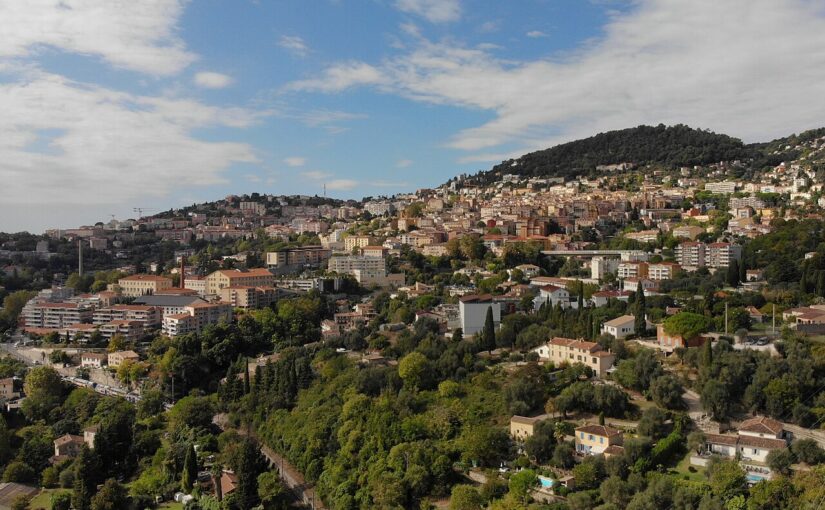
Between the southern flank of the Alps and the unreasonable blue of the Mediterranean, the small town of Grasse keeps its secrets in plain sight. Its serpentine streets coil upward in the Provençal manner, its courtyards conceal more than they reveal, and the air itself seems to carry a faint chemical memory of jasmine, of bergamot, of something older still. To walk here is to move through a palimpsest of odors, most of them invisible, all of them legible to those who know how to read.
Continue reading The Scented Republic: Notes from Grasse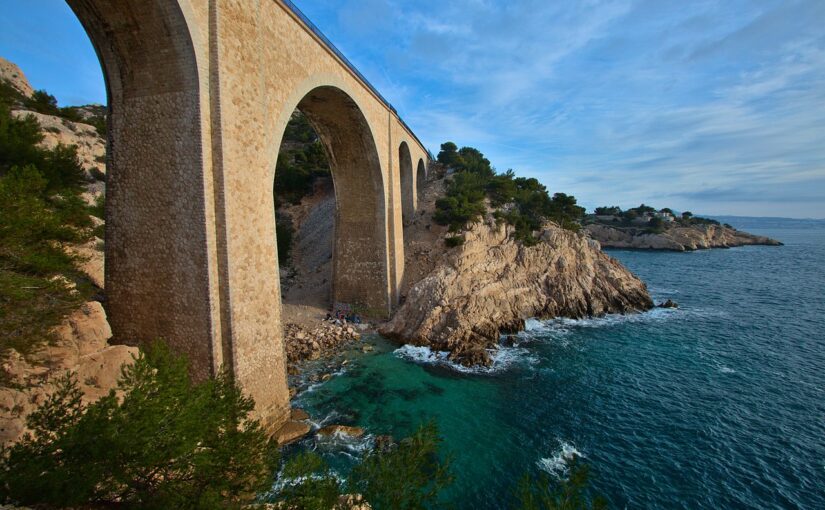
Along the Blue Edge: A Meditation on Two French Trains
Light falls differently on this stretch of coast. West of Marseille, where the limestone breaks into a series of small theatrical gestures above the sea, the Mediterranean assumes a particular shade of indigo that the painters of the last century could never quite leave alone. Renoir paused here. Cézanne measured its planes. Dufy distilled it into pennants of color, and August Macke, in the brief sunlit months before the trenches claimed him, found in these horizons a vocabulary of joy. The Côte Bleue, as it was eventually christened, has always seemed less a place than a palette.
Continue reading Along the Blue Edge: A Meditation on Two French Trains
Scents of the Bible
Long before chemistry gave fragrance a vocabulary of molecules and accords, smoke was the first language of the sacred. A wisp curling upward from a brazier carried with it the suggestion that prayer, too, might rise; that the invisible could be coaxed into appearance by the simple act of burning resin. From the temples of Karnak to the side chapels of provincial cathedrals, incense has performed this quiet diplomacy between matter and spirit, and its persistence in our imagination, even now, in an age that has largely outsourced its mysteries, suggests something stubborn in the human need for atmosphere.
Continue reading Scents of the Bible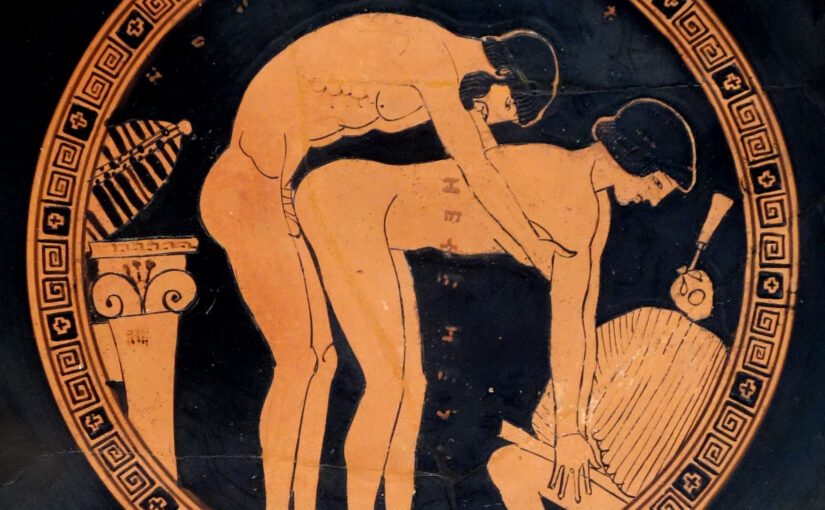
The Mediterranean’s Long Romance with Desire: A Brief History of Love Potions
Travelers have always come to the Mediterranean in search of secret knowledge: the unblended wine, the cove no guidebook has yet betrayed, the recipe in which sunlight, salt and stone seem to have been quietly folded together. Yet of all the quests that have drawn outsiders to these shores, none is older, more universal, or more touchingly optimistic than the search for substances that might persuade the body to love.
Continue reading The Mediterranean’s Long Romance with Desire: A Brief History of Love Potions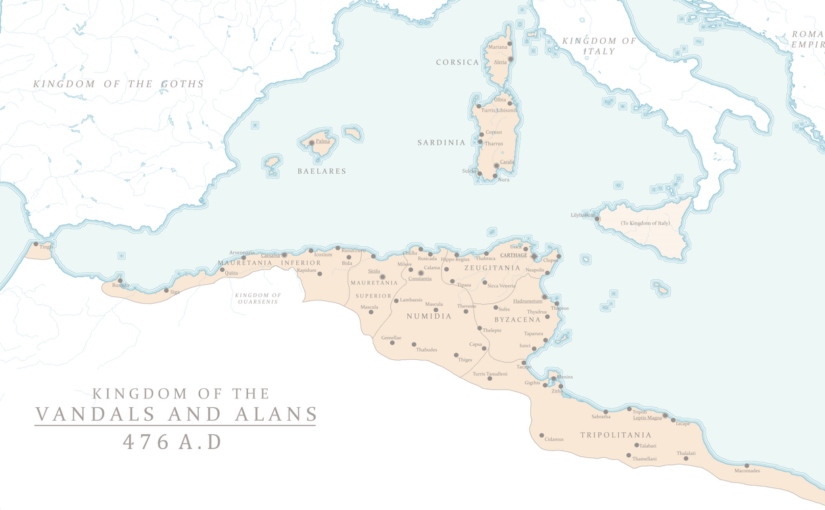
A Germanic Realm Under African Skies: The Vandals’ Mediterranean Century
Few episodes in history resist the tidy categories we impose upon them, and the Vandal sojourn in North Africa is surely among the most stubborn. For nearly a hundred years, from 435 to 534, a people born of northern forests presided over olive groves and azure harbors, ruling from Carthage as if the geography itself were a wry comment on the fluidity of empire. Theirs was not, despite the calumnies of later centuries, a tale of mere ruin; it was a chapter of reinvention, written in marble and mosaic, in coinage and confiscated basilicas, along a coastline that has always been a palimpsest.
Continue reading A Germanic Realm Under African Skies: The Vandals’ Mediterranean Century