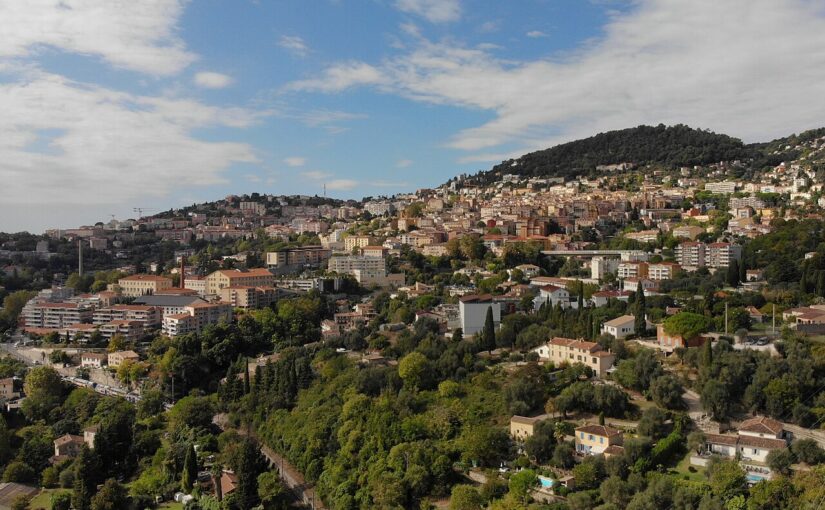
Between the southern flank of the Alps and the unreasonable blue of the Mediterranean, the small town of Grasse keeps its secrets in plain sight. Its serpentine streets coil upward in the Provençal manner, its courtyards conceal more than they reveal, and the air itself seems to carry a faint chemical memory of jasmine, of bergamot, of something older still. To walk here is to move through a palimpsest of odors, most of them invisible, all of them legible to those who know how to read.
Continue reading The Scented Republic: Notes from Grasse
Of First Fruits and Late Summers: The Long Memory of the Mediterranean Harvest
By autumn in the Mediterranean, the day’s heat has finally slipped from the stones, yet the light still pours over the hills in slow amber sheets. An old man stoops beneath an olive tree, silver leaves flickering around his hands. A woman settles a basket of figs against a crumbling wall of pale rock. Far off, a bell drifts through the air without urgency, answered only by swallows crossing the dusk. In moments like these, the ancient world does not feel preserved so much as uninterrupted, lingering quietly in the gestures of the living.
Continue reading Of First Fruits and Late Summers: The Long Memory of the Mediterranean Harvest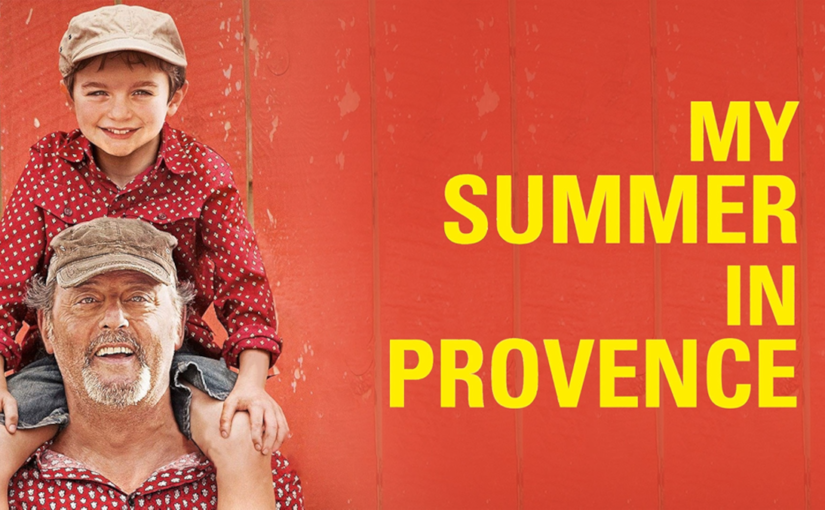
My Summer in Provence (2013): Sunlit Stories and Scenery
Some films are watched, others are lived. Rose Bosch’s Avis de mistral, released in 2013 under the more tourist-friendly English title My Summer in Provence, unmistakably belongs to the latter. Modest in scope, ostensibly a family drama, it nevertheless luxuriates in landscape first, plot second. Here, the story serves the country rather than the reverse, and it is this gentle inversion that imbues the film with its quiet enchantment.
Continue reading My Summer in Provence (2013): Sunlit Stories and Scenery