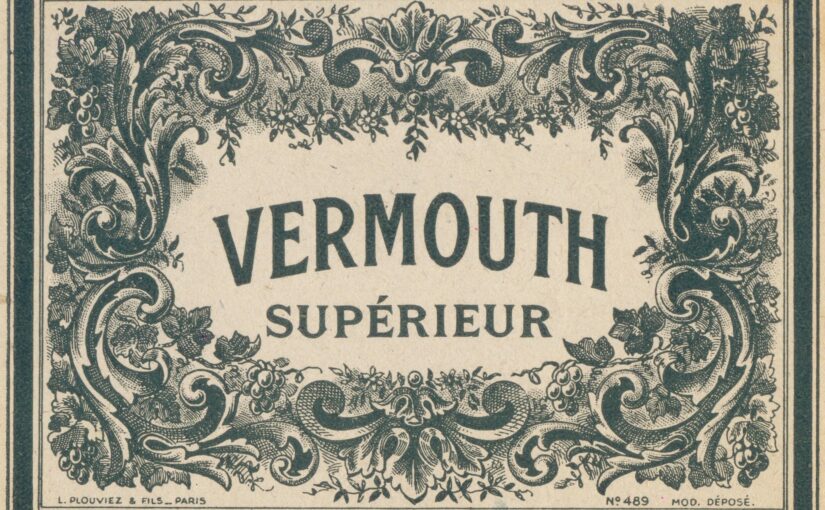
Sunlight spills across a terrace above the Mediterranean, turning the sea a brilliant shade of blue. Warm air drifts through with notes of citrus peel and wild herbs while a chilled glass of Vermouth glows amber in the fading afternoon light. Conversations linger, time slows, and every sip carries traces of history and place. More than a drink, Vermouth is woven into the rhythm of Mediterranean life—an enduring tradition shaped by leisurely afternoons, lively gatherings, and generations of craftsmanship. Today, we step into the world of this aromatic fortified wine and the culture that has made it an icon of the Mediterranean table.
What Is Vermouth, and Why Does It Matter?
At its core, Vermouth is a fortified wine infused with a blend of botanicals, herbs, and spices. While its exact recipe varies by producer—often guarded as a closely held secret—the base typically includes ingredients like wormwood (the herb that gives Vermouth its name), citrus peel, cinnamon, and cloves. Originating in Europe, particularly in regions like Italy and Spain, Vermouth has become synonymous with the aperitivo hour, that cherished time before dinner when friends and family gather to unwind with a drink and light bites.
Across the Mediterranean, Vermouth has long held a place at the center of social life and tradition. It reflects a way of living that values lingering conversations, unhurried afternoons, and the pleasure found in simple rituals—whether in a lively Barcelona bar or beneath the plane trees of a quiet Provençal square. Served neat, over ice, or mixed into classics like the Negroni and Martini, its versatility has made it a fixture in cafés, homes, and aperitivo culture throughout the region. To understand its enduring appeal, we have to trace its origins and discover how this aromatic wine became intertwined with the convivial spirit of the Mediterranean.
A Sip Through History: The Origins of Vermouth
The story of Vermouth begins long before the modern aperitivo culture took hold. Its origins can be traced to ancient times when herbal wines were used for medicinal purposes. The Greeks and Romans infused wines with herbs like wormwood to aid digestion and treat ailments, a practice that laid the groundwork for what we know as Vermouth today. Fast forward to the 18th century in Turin, Italy, where Vermouth as we recognize it began to take shape. Here, winemakers and distillers started crafting aromatized wines as a commercial product, blending local wines with botanicals to create a sophisticated drink that appealed to the aristocracy.
By the 19th century, Vermouth had become a sensation across Europe, with brands like Carpano in Italy and Noilly Prat in France leading the charge. Its popularity spread to Spain, where it became a beloved part of the vermut tradition—a social ritual of enjoying Vermouth with tapas on weekends. This era also saw Vermouth cross the Atlantic, becoming a key player in the cocktail revolution of the United States. Yet, no matter where it traveled, Vermouth retained its Mediterranean soul, a testament to the region’s influence on its identity.
In Mediterranean countries, Vermouth’s rise mirrored the cultural emphasis on community and connection. It wasn’t just about the drink itself but the moments it created—those long, laughter-filled afternoons where time seemed to stand still. This ethos remains alive today, as Vermouth continues to be a bridge between past and present, tradition and modernity.
The Enduring Role of Vermouth in Mediterranean Life
To understand Vermouth’s place in the Mediterranean lifestyle, one must look beyond the glass and into the social fabric of the region. In Spain, for instance, the concept of la hora del vermut (the Vermouth hour) is a sacred tradition, especially on Sundays. Families and friends gather at local bars or vermuterías to sip Vermouth, often paired with olives, anchovies, or potato chips. It’s a prelude to lunch, a way to whet the appetite while catching up on the week’s gossip. In Catalonia, this ritual is so ingrained that Vermouth is often simply called vermut, a nod to its cultural significance.
In Italy, Vermouth takes center stage during aperitivo, the cherished pre-dinner ritual where conversation and companionship matter as much as the food and drink themselves. In cities like Milan and Turin, bars come alive with platters of charcuterie, cheeses, and bruschetta served beside Vermouth-based cocktails. Glasses are poured, stories are exchanged, and the evening unfolds at an unhurried pace. In these moments, Vermouth becomes part of the social fabric, a tradition that invites people to gather, linger, and savor one another’s company.
Even in southern France, where pastis often takes center stage, Vermouth has carved out a niche, particularly in the form of dry varieties like Noilly Prat, produced near the Mediterranean coast. It’s often enjoyed as a refined aperitif, reflecting the French appreciation for balance and elegance in both food and drink.
What unites these traditions across the Mediterranean is a deep appreciation for togetherness. Vermouth is meant to be savored slowly, alongside conversation, shared plates, and unhurried moments that stretch into the evening. In cultures shaped by long meals and lively gathering places, the drink has become part of a rhythm of life that values presence, connection, and the simple pleasure of lingering a little longer.
The Art of Making Vermouth: A Mediterranean Craft The production of Vermouth is a craft steeped in tradition, often passed down through generations of winemakers.
While the specifics vary by region and brand, the process generally begins with a base wine, typically white, though red Vermouth uses a red wine base or caramel for color. This wine is then fortified with a neutral spirit, increasing its alcohol content and preserving its flavors.
The magic of Vermouth lies in its botanicals. Producers select a medley of herbs, spices, and roots, sometimes dozens of ingredients, to create a unique flavor profile. Wormwood, the signature ingredient, imparts a subtle bitterness, while other additions like citrus zest, chamomile, or cardamom add complexity. These botanicals are steeped in the wine or spirit, allowing their essences to meld over time. The final step often involves sweetening the mixture with sugar or caramel, balancing the bitterness with a touch of sweetness.
In Mediterranean regions, the choice of botanicals often reflects the local landscape. Italian Vermouths might feature alpine herbs, while Spanish varieties could incorporate Mediterranean citrus and rosemary. This connection to the land is a hallmark of Mediterranean cuisine and culture, where ingredients are celebrated for their provenance and seasonality.
Today, alongside traditional producers, a wave of artisanal Vermouth makers has emerged, reviving old recipes and experimenting with new flavors. From small-batch Vermouths in Sicily to innovative blends in Barcelona, this renaissance speaks to the drink’s enduring appeal and its ability to evolve while staying true to its roots.
How to Enjoy Vermouth the Mediterranean Way
If you’re new to Vermouth or looking to embrace it as part of your Mediterranean-inspired lifestyle, there are countless ways to enjoy it. Here are a few ideas to get you started:
- Neat or On the Rocks: For a simple yet elegant experience, pour a glass of sweet or dry Vermouth over ice.
Add a slice of orange or lemon for a burst of citrus that complements the drink’s herbal notes. This is a classic way to enjoy Vermouth during a lazy afternoon. - As an Aperitif: Follow the Mediterranean tradition by sipping Vermouth before a meal. Pair it with light snacks like marinated olives, almonds, or cured meats to stimulate your appetite and set the tone for a leisurely dining experience.
- In Cocktails: Vermouth is a star player in many iconic cocktails. Try a Negroni (equal parts Vermouth, gin, and Campari) for a bold, bittersweet sip, or a classic Martini (gin or vodka with a splash of dry Vermouth) for something more refined. These drinks are perfect for evening gatherings or special occasions.
- With Soda: In Spain, it’s common to mix Vermouth with a splash of soda water for a refreshing, low-alcohol option.
Serve it over ice with a wedge of lemon for a drink that’s ideal for hot summer days.
No matter how you choose to enjoy it, remember that Vermouth is about savoring the moment. Take your time, gather your loved ones, and let the flavors transport you to the sunlit shores of the Mediterranean.
Pairing Vermouth with Mediterranean Flavors
One of the joys of Vermouth is its versatility when it comes to food pairings. Its complex profile, balancing sweetness, bitterness, and herbal notes, makes it a natural companion to the bold, fresh flavors of Mediterranean cuisine. Here are some pairing ideas to elevate your next gathering:
- Tapas and Pintxos: In Spain, Vermouth is often enjoyed with small bites like patatas bravas, jamón ibérico, or boquerones (marinated anchovies). The drink’s acidity and botanicals cut through the richness of cured meats and fried foods, creating a harmonious balance.
- Antipasti: For an Italian-inspired spread, pair Vermouth with prosciutto, fresh mozzarella, and roasted peppers. The drink’s herbal qualities complement the simplicity of these dishes, enhancing their natural flavors.
- Mezze: If you’re drawing inspiration from the eastern Mediterranean, try Vermouth with hummus, tzatziki, and grilled halloumi. The drink’s citrusy and spiced notes play beautifully against the creamy and tangy elements of these dishes.
When pairing Vermouth, think about balance. Opt for foods that aren’t overly heavy or spicy, as they can overpower the drink’s nuanced flavors. Instead, focus on fresh, high-quality ingredients.
Vermouth Today: A Modern Mediterranean Revival
In recent years, Vermouth has experienced a resurgence, particularly among younger generations and mixologists who appreciate its depth and versatility. Bars across the Mediterranean and beyond are showcasing Vermouth in innovative ways, from house-made infusions to Vermouthfocused cocktail menus. This revival is also tied to a broader interest in slow living and sustainable practices, values that align closely with the Mediterranean lifestyle.
Artisanal producers are at the forefront of this movement, crafting small-batch Vermouths that highlight local ingredients and traditional methods. In Italy, for example, brands are experimenting with ancient recipes, while in Spain, Vermouth bars are popping up in cities like Madrid and Barcelona, offering dozens of varieties to eager patrons. Even in Greece, where ouzo and tsipouro dominate, Vermouth is finding a foothold as a sophisticated alternative.
Today’s renewed fascination with Vermouth reaches far beyond nostalgia. It reflects a growing desire to return to rituals that celebrate balance, conviviality, and the pleasure of slowing down. Rooted in the Mediterranean tradition of gathering over food and drink, Vermouth continues to resonate with both longtime aficionados and curious newcomers alike. With its depth of flavor, rich history, and enduring place in aperitivo culture, there has rarely been a more inviting moment to explore the world of Vermouth.
Bringing Vermouth into Your Mediterranean Lifestyle Incorporating Vermouth into your life is an easy way to embrace the Mediterranean way of living, no matter where you are. Start by creating your own aperitivo hour at home. Sset aside time each week to unwind with a glass of Vermouth and a few simple snacks. Invite friends or family to join you, and let the conversation flow as freely as the drink.
You can also experiment with Vermouth in your cooking. Use a splash of dry Vermouth to deglaze a pan when making seafood risotto, or add sweet Vermouth to a marinade for grilled meats. Its complex flavors can elevate even the simplest dishes, adding a touch of Mediterranean flair to your meals.
Finally, seek out local or online retailers to discover different Vermouths from across the Mediterranean. Each bottle tells a story of a region, a family, or a tradition, and tasting them is like taking a journey through the diverse landscapes of southern Europe.
A Toast to Mediterranean Living
As the sun sets over the Mediterranean, casting a warm glow on cobblestone streets and seaside cliffs, there’s no better way to celebrate life than with a glass of Vermouth in hand. This timeless drink captures the essence of the region, its history, its flavors, and its unwavering commitment to connection and joy. Whether you’re sipping it neat in a quiet moment of reflection or sharing a cocktail with friends, Vermouth invites you to slow down, to savor, and to live with intention. So, the next time you’re craving a taste of the Mediterranean, reach for a bottle of Vermouth. Let it transport you to a world where time moves a little slower, where every sip is a celebration of la dolce vita. Here’s to the Mediterranean lifestyle, and to the drink that makes it all the more sweet.
Header image: patricia m. (CC BY-SA 2.0)